


International Mother Language Day is celebrated every year on 21 February and highlights the importance of linguistic and cultural diversity, multilingualism and the preservation of all languages and also aims to foster tolerance and respect for others.
International Newcastle proudly supports International Mother Language Day and Home Heritage and Community Languages. Through Express Yourself: North East Festival of Languages and with our partners, we are providing a wide range of free activities, events and resources for schools, community schools and groups across the North East and UK available from January to 31st March.
Celebrating mother languages in Newcastle this week
Newcastle Libraries have been playing their part. On 16th February, West End Library in Benwell hosted the first of two ‘Love Your Language’ events in the city. This event celebrated some of the languages spoken in our local communities with families and the stories in Arabic, Urdu, Bengali, Swahili and Turkish, as well as arts and crafts activities.

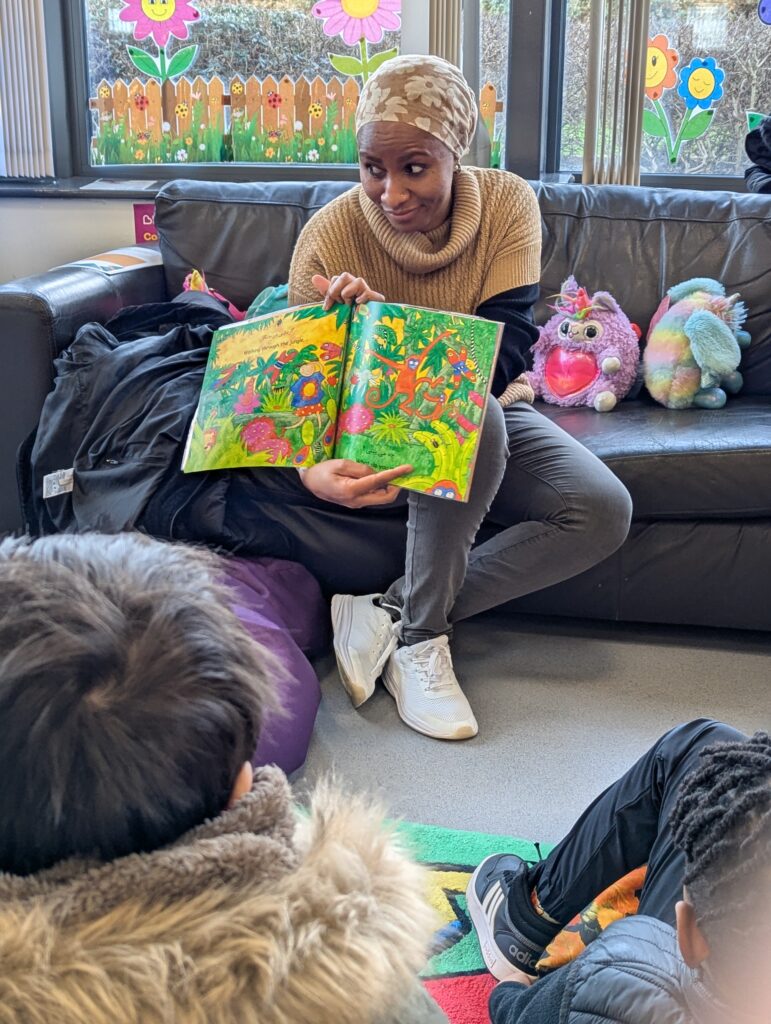
Volunteer Storytellers with children at West End Library
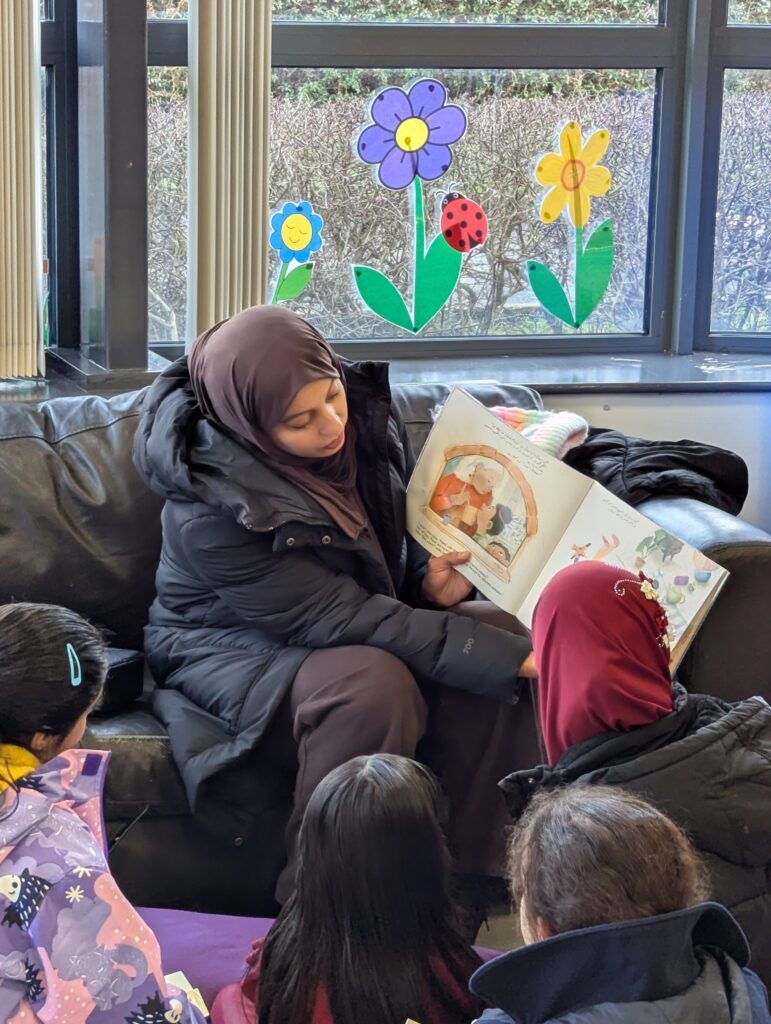
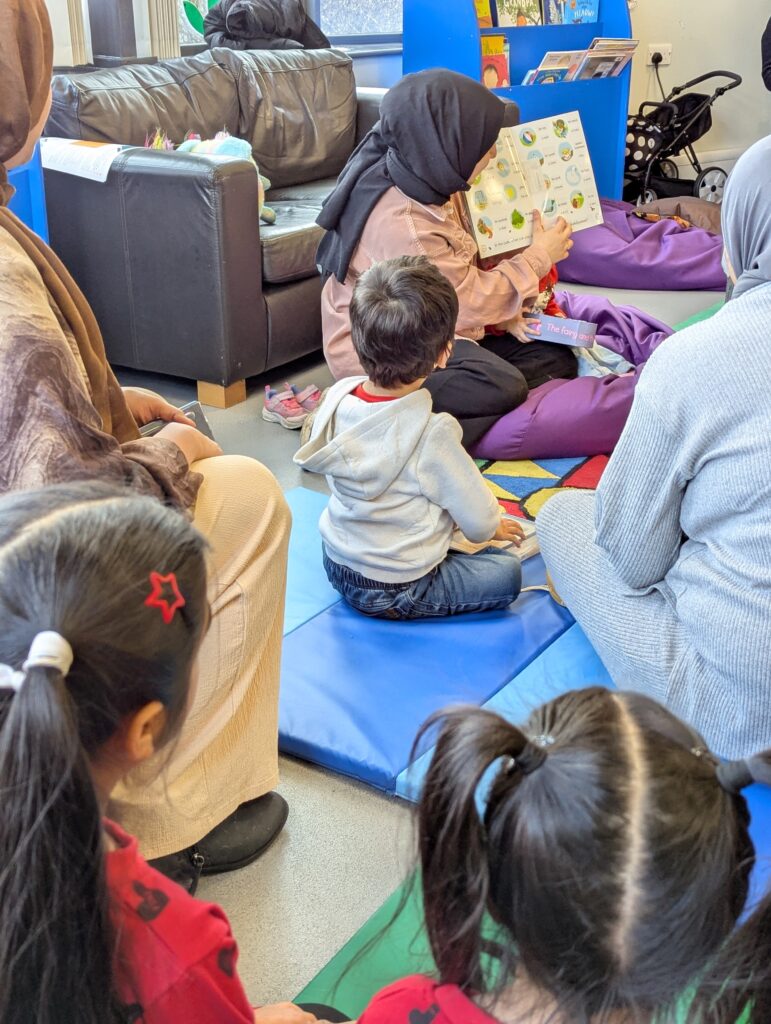
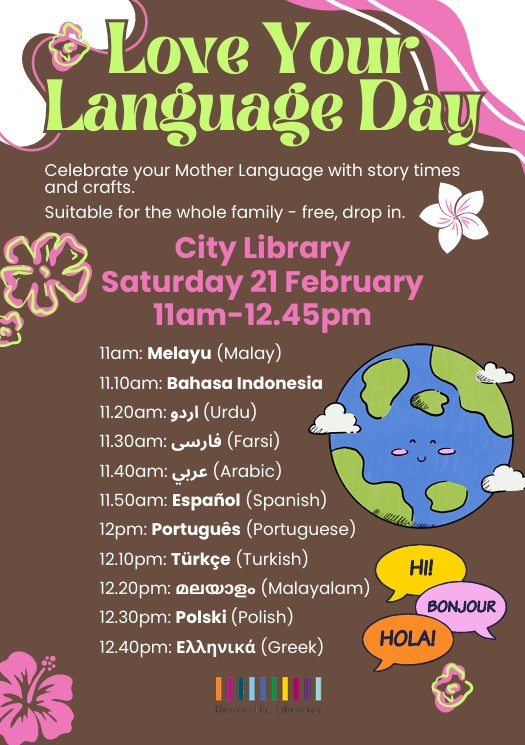
There is another free event taking place at the City Library on Saturday 21st February. It is a free, drop in event and families can join in storytime in different languages, share stories, play games and enjoy arts and craft activities (recommended for children up to 12 years old). Click here to see City Library information about accessibility, transport and travel.
Nathalie Paris from the Festival team attended the event on 16th February at West End Library and said:
“We had stories in Arabic, Urdu, Bengali, Swahili and Turkish. They all sounded so different but lovely! It didn’t matter if people didn’t speak those languages – the stories were bilingual, so we could understand them and learn new words.
The entertaining storytellers kindly shared with us the multiple reasons why they had volunteered to read a story in their mother tongue. They were regular visitors of the library. They wanted to give something to children who love reading. They simply loved sharing books with young ones and understand the power of stories, or they wanted their own children to be exposed to their mother tongue.
What about the many families who attended? They were present for their children to experience a variety of other languages and cultures, for them to be curious enough about them to learn more and yearn to travel to speak those languages, for them to keep practising their parent’s or parents’ mother tongues; ultimately, for them to be bilingual.“
Celebrating International Mother Language Day and home languages with the Festival
First established by UNESCO in 1999 and now observed throughout the world, the day was based on an initiative in 1952 by the Bengali Language Movement, a political and cultural protest that led to the recognition of Bengali as an official state language in Bangladesh. We are privileged to have two Bangladeshi organisations in the region hosting events in-person in March to celebrate their language, heritage and culture.
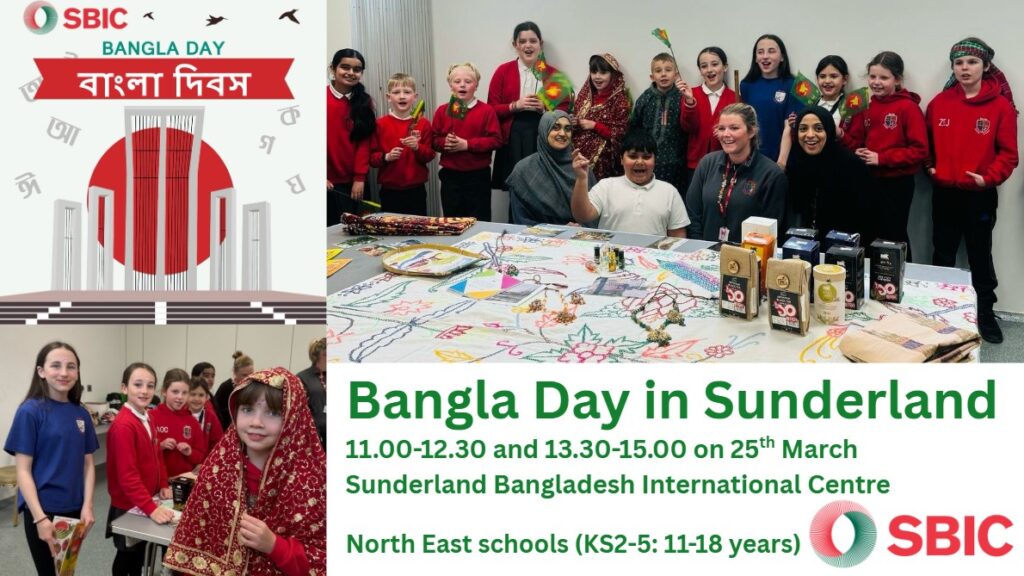
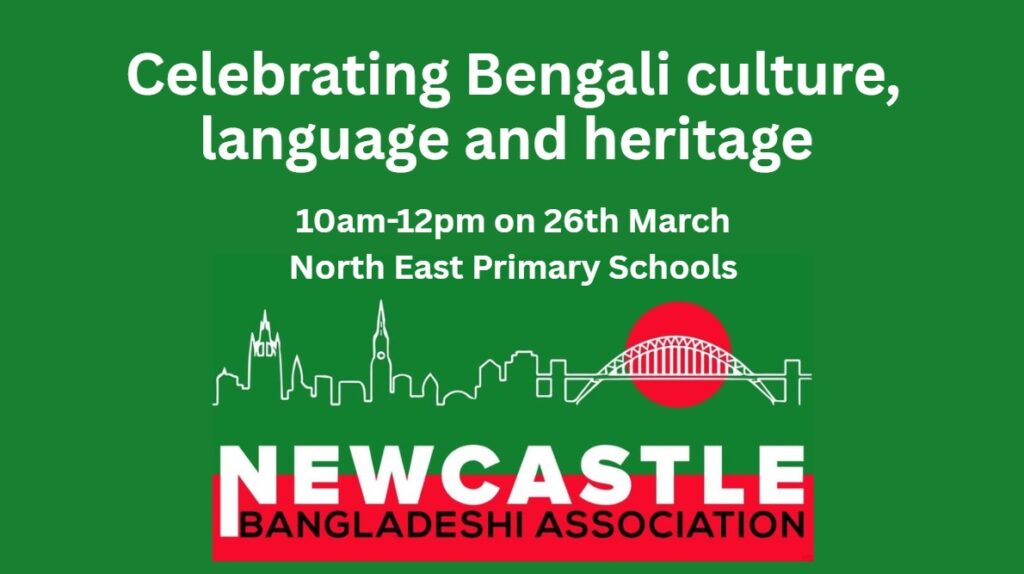
The festival offers multilingual activities which can be done in any language, enabling schools, community schools and groups celebrating the many mother languages spoken in pupils’ homes and communities. There are also a variety of world languages and cultures events and classroom activities with teaching resources available.

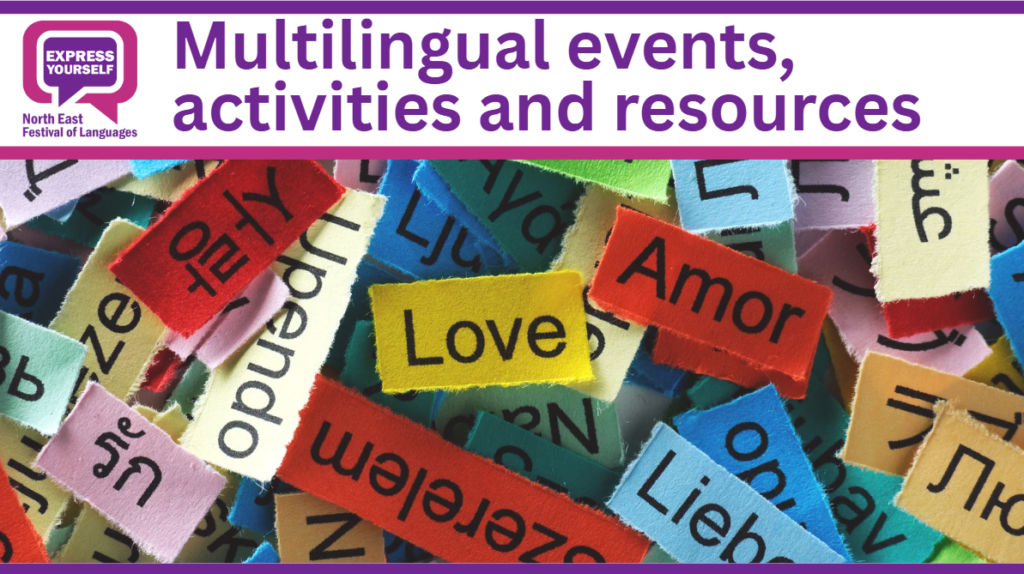

Schools, community schools and groups across the North East are invited to take part in five creative multilingual projects designed to shine a light on all the languages learned and spoken by children and young people.
These projects encourage self-expression through:
- Art – Together we Fly (world friendship origami project),
- Writing – Mother Tongue Other Tongue and Language Calligrams Celebration
- Music – Festival Song: Love is the only River
- Food & Culture – World Recipe Book
All come with teaching resources and all are open for participation up to 31st March 2026. Click on the links to find out more and how to register.
In addition to the Festival’s three competitions (Spanish Omelette, French Crêpe and German Karneval Mask), there are a range of UK competitions and celebrations that schools can get involved with including: Japanese (JalaChamp and World Children’s Haiku contest); Celebrate Speaking in February and Multilingual Verses (for any languages); Anthea Bell Prize for Young Translators (French, German, Italian, Mandarin, Russian and Spanish); and for French, the French Pop Video Competition and Joutes Oratoires
Resources available anytime include:


Sarah Edgar
Express Yourself: North East Festival of Languages Steering Group
Educational Consultant at Newcastle City Council (School Effectiveness) and lead for Languages and International Links in schools, English as an Additional Language and Schools of Sanctuary
We want to encourage schools to encourage children who speak different languages at home to share and celebrate these within schools and communities through these Festival events and activities. The creative projects are also a really nice way of involving family members… children and young people can write, sing and create art and recipes that reflect their home languages and cultures and talk to their families about their heritage and how to write in their own language, if they don’t know how to already. The classroom activities and in-person events also provide an opportunity to profile different European and World languages and celebrate the culture and traditions associated with these.
In addition, the languages and careers activities and events are a great opportunity to highlight the opportunities that are available to children and young people with home languages that they may not be aware of and to encourage schools to offer opportunities for them to take qualifications in their home language. Employers prioritise people with language skills and qualifications. Learning and being able to speak another language is a superpower – and it makes these young people stand out when they enter the jobs market, because of the wider communications skills, the interpersonal skills, empathy and understanding of other people and cultures that children with a home language have.
Festival participation can also support applications for the British Council International School Award, as well as Schools of Sanctuary work, embracing the languages, cultures and traditions of all pupils, celebrating multiculturalism and multilingualism.
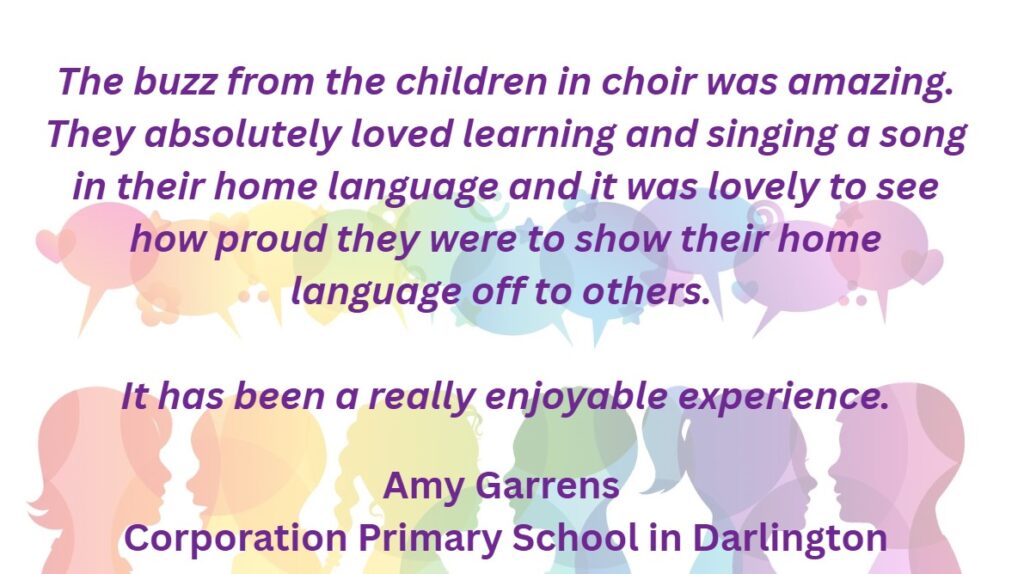
Quotes from teachers involved in the 2025 Festival highlight how much the teachers and pupils enjoyed taking part in the Festival Song (What a Wonderful World) and the Weaving Friendship art project.

The Festival is part-funded by North East Combined Authority
