


Article written and photography by Denise Kua Sze Min (Festival Intern – Digital Content Creator)
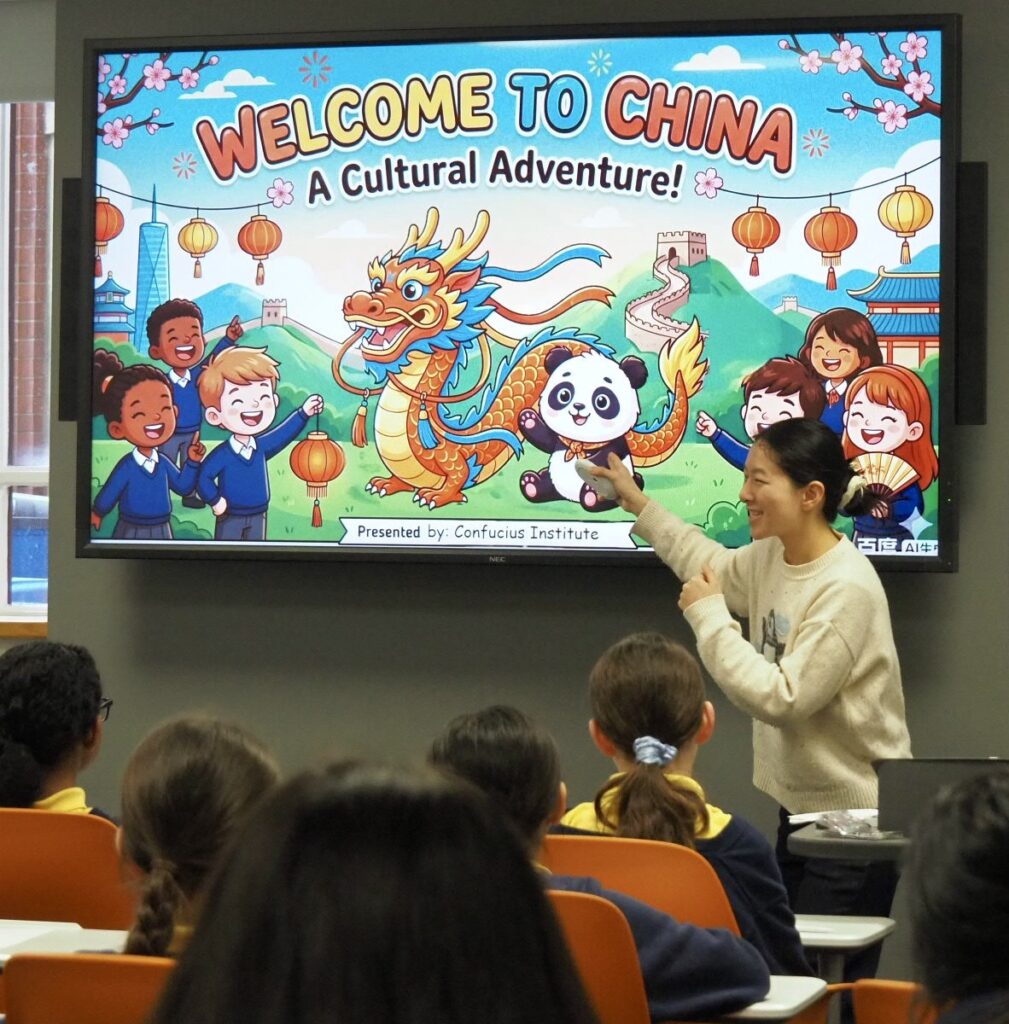
Children from Our Lady and St. Anne’s Catholic Primary School and Lemington Riverside Primary School enjoyed immersive Chinese cultural workshops on 17th March. These were part of a series of “Welcome to China” events involving over 200 children, which are being delivered to North East schools by the Confucius Institute as part of the Festival and hosted at Newcastle University in March.
At these two events, pupils were engaged in fun, hands-on, interactive activities, providing a valuable opportunity for young learners to step beyond their usual classroom environment and have immersive and creative experiences bringing Chinese language and culture to life.
Throughout the sessions, pupils actively participated in learning basic Chinese greetings and numbers. Rather than relying solely on traditional teaching methods, the lessons were designed to be highly engaging, incorporating songs and rhythmic patterns to help reinforce learning. This approach made it easier for pupils to remember vocabulary, whilst also creating a lively and enjoyable atmosphere. The use of music and repetition proved especially effective, as it encouraged even the more reserved pupils to join in confidently.
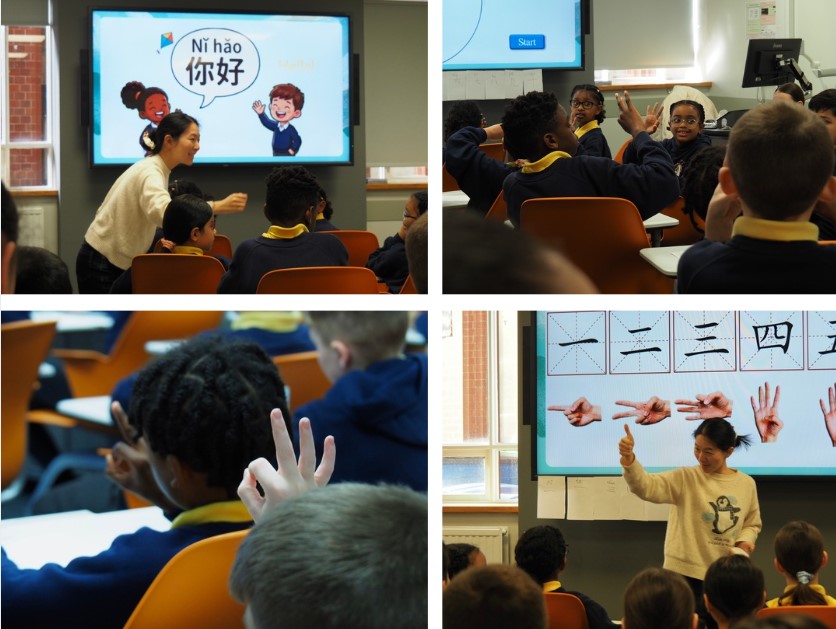
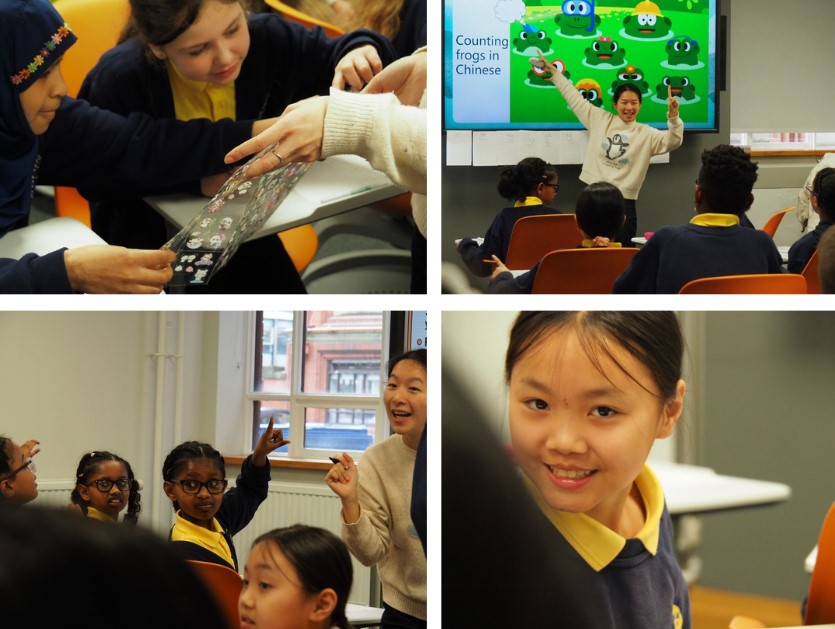
The dedication and enthusiasm of Miao Wang and her team from the Confucius Institute made this a very successful event. They didn’t just teach the language, but sought to provide pupils with a deeper understanding of the cultural and historical context behind it. By doing so, they helped students appreciate that language is not just a tool for communication, but also a reflection of a society’s traditions, values, and identity.
As the event took place close to the arrival of spring, pupils were introduced to seasonal cultural practices. One of the highlights was the hands on paper-cutting activity, where pupils learned to cut out the Chinese character 春 (pinyin: chūn, meaning “Spring”) using red paper. In Chinese culture, spring symbolises renewal, growth, and the return of life after winter. The colour red further enhances this symbolism, as it is traditionally associated with good fortune and prosperity.

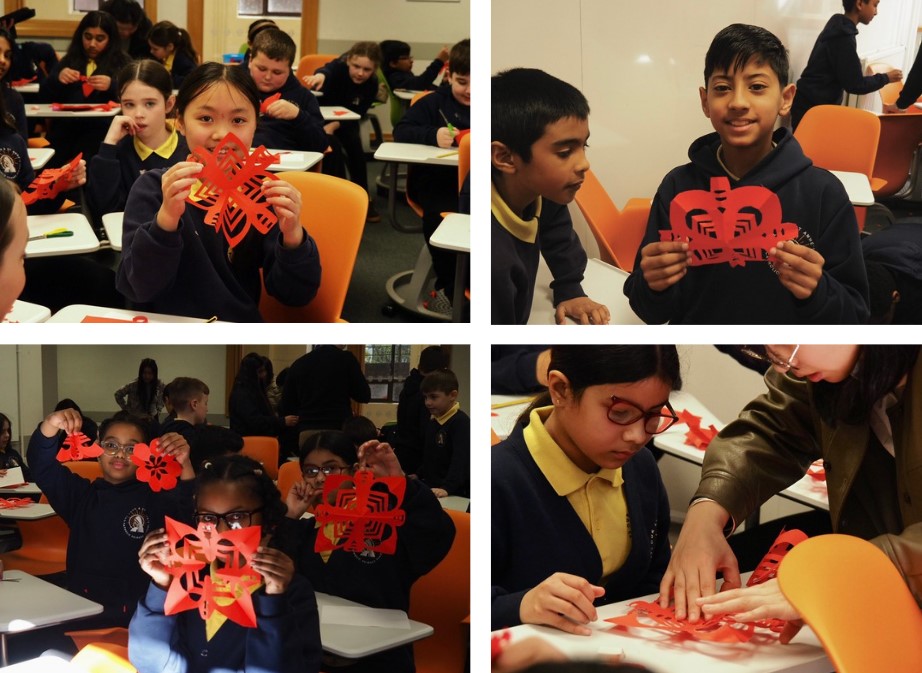
Through this activity, pupils also learned about the cultural significance of paper-cut decorations in Chinese households. These decorations are often displayed during festive periods and are believed to ward off evil spirits and protect the home. The legend of the mythical beast Nian was introduced to provide context, helping pupils understand how traditional beliefs and storytelling are intertwined with cultural practices. This combination of craft and storytelling made the learning experience both memorable and meaningful.
In addition to crafts, pupils were introduced Chinese calligraphy – an art form that has been practiced for thousands of years in China. Children learned about the materials used, particularly the traditional brush, which is typically made from animal hair and designed to produce a wide range of expressive strokes. Pupils were fascinated by the precision and control required in calligraphy and were given the opportunity to try writing characters themselves.
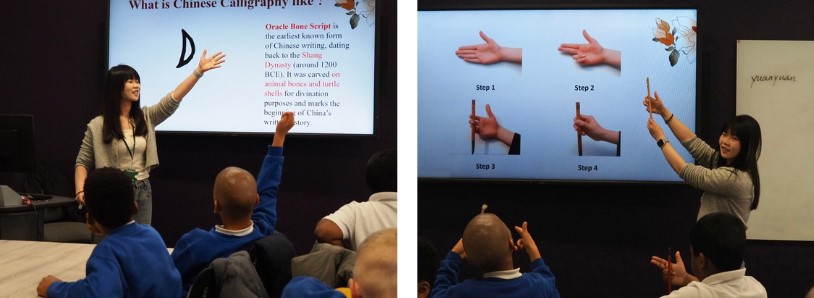

The calligraphy session also provided insight into the historical development of Chinese writing. Pupils were introduced to the idea that modern Chinese characters have evolved from early pictographic forms, such as Oracle Bone Script, dating back to around 1200 BCE. Over time, these characters became more standardised and abstract, forming the writing system used today (Qiu, 2000). This historical perspective helped pupils appreciate the depth and continuity of Chinese culture, as well as the complexity of its written language.
The event was a resounding success. The classrooms were filled with laughter, curiosity, and enthusiasm as pupils engaged with each activity. By the end of the sessions, many students had not only learned new words and skills but had also developed a genuine interest in Chinese culture. The positive energy in the room reflected how effective interactive and culturally rich teaching methods can be in inspiring young learners.
The importance of such initiatives was highlighted by one of the teachers present, who emphasised the value of cultural exposure in a diverse community:
Our school has been involved in the Festival of Languages for a number of years and we serve a community with a rich mix of cultural backgrounds. It is essential to celebrate and recognise the diverse origins of pupils and their families, making events like this an important part of their educational experience. Events like this encourage pupils to look beyond their immediate surroundings. It is important for young people to see outside their bubbles and develop an awareness of cultures from around the world.
Mr. McAnespie, Teacher, Our Lady & St. Anne’s Catholic Primary School
This perspective highlights the broader impact of the event not just as a language learning opportunity, but as a means of fostering openness, curiosity, and global understanding.
“Welcome to China” successfully combined language learning with cultural exploration, creating an enriching and enjoyable experience for all involved. Through interactive lessons and hands on activities, pupils were able to gain a deeper appreciation of the Chinese language and its heritage. Events like this play a crucial role in promoting cultural awareness, helping to prepare young learners for an increasingly interconnected world.
We are thrilled to have the Confucius Institute delivering these engaging and inspiring sessions again this year as part of the Festival. We are grateful to Miao and the team, who are so passionate about sharing Chinese language, traditions and culture and really bring this alive for so many children in the North East. Thanks also to Professor Yuxiao Su, Chinese Director of the Confucius Institute in Newcastle, who made it possible to have so many Welcome to China events this year. One last thank you must go to the schools and pupils who participated with such enthusiasm and energy.
Declan Baharini, Festival Coordinator
Further information and links
- Click on the link to find out more about the Confucius Institute at Newcastle University
- Click here to download the Confucius Institute Schools flyer, which has information about their offer to infant, primary and secondary students, offering engaging and culturally immersive experiences both during and after school. These include Chinese language classes during school hours, after school Chinese clubs, cultural workshops and courses and cultural events. There is also information about the wider offer to communities and individuals in the region.
- #confuciusinstituteatnewcastleuni #chineselanguage&culture
- Click here to find more Festival events, activities and resources that relate to China and the Chinese language

About the author
Denise Kua Sze Min is one of five Festival interns from Northumbria and Newcastle Universities producing articles and digital content for the Festival this year. The Festival wants to provide opportunities for students to gain real-world experience to help them in their future careers.
Denise is originally from Malaysia and is currently studying for a MSc in Forensic Science at Northumbria University. She has a passion for photography and digital content creation.