


Written by Katarina Trajković – Festival Intern (Digital Content Creator)
The eagerly awaited Welcome to Japan workshops were an absolute blast! One of a series of world language and cultures events as part of our 2026 Express Yourself: North East Festival of Languages, these were organised and delivered by the amazing staff and students from the Japanese Section of the Centre for Foreign Language Study, School of Modern Languages and Cultures, Durham University, and Teikyo University of Japan in Durham.
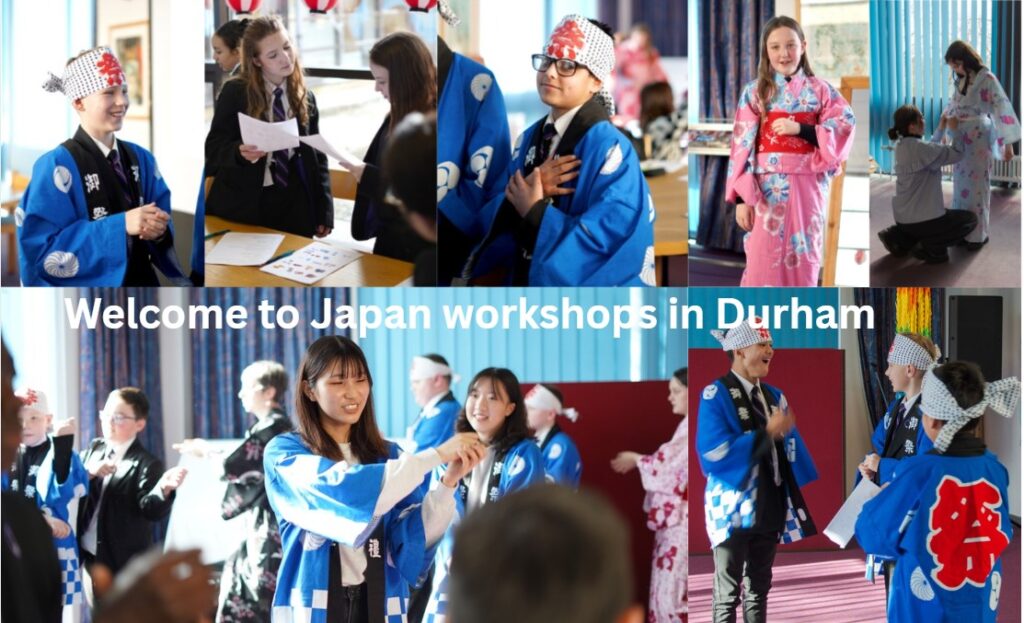
The day featured morning and afternoon workshops with a variety of Japanese language-learning and cultural activities for North East primary school pupils in Year 5 and Year 6 . The first event of the day, a two-hour session full of activities, games, and excitement, welcomed a group of pupils from Outwood Academy Normanby in Middlesbrough. Pupils from Choristers and Durham Schools Foundation and Pelton Community Primary School attended in the afternoon.
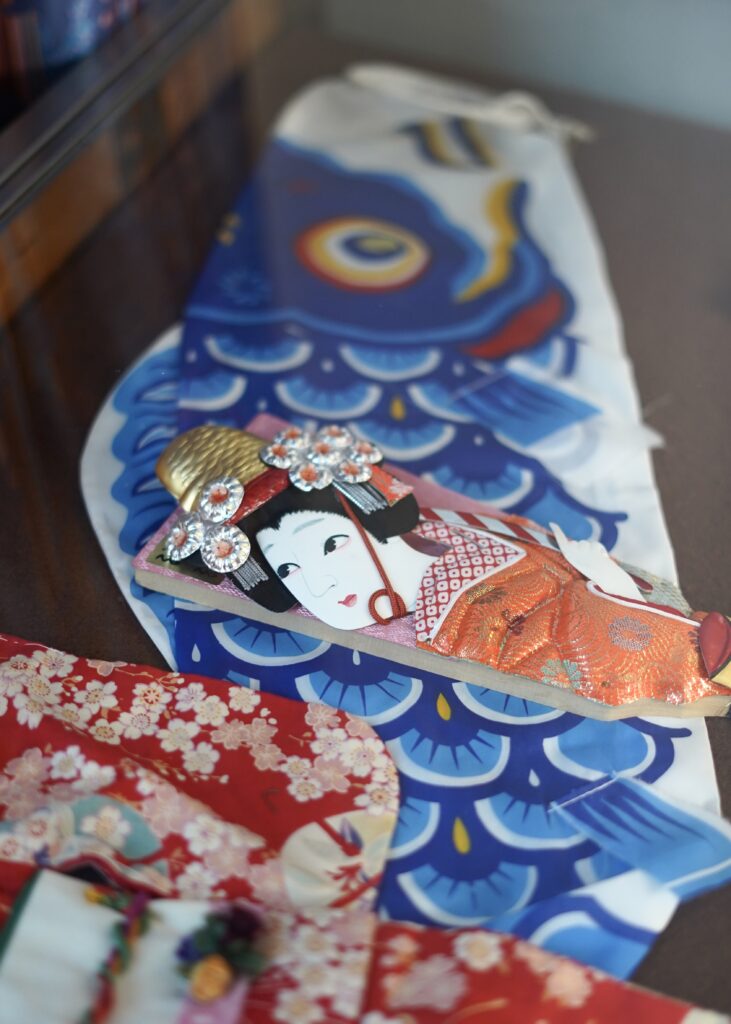
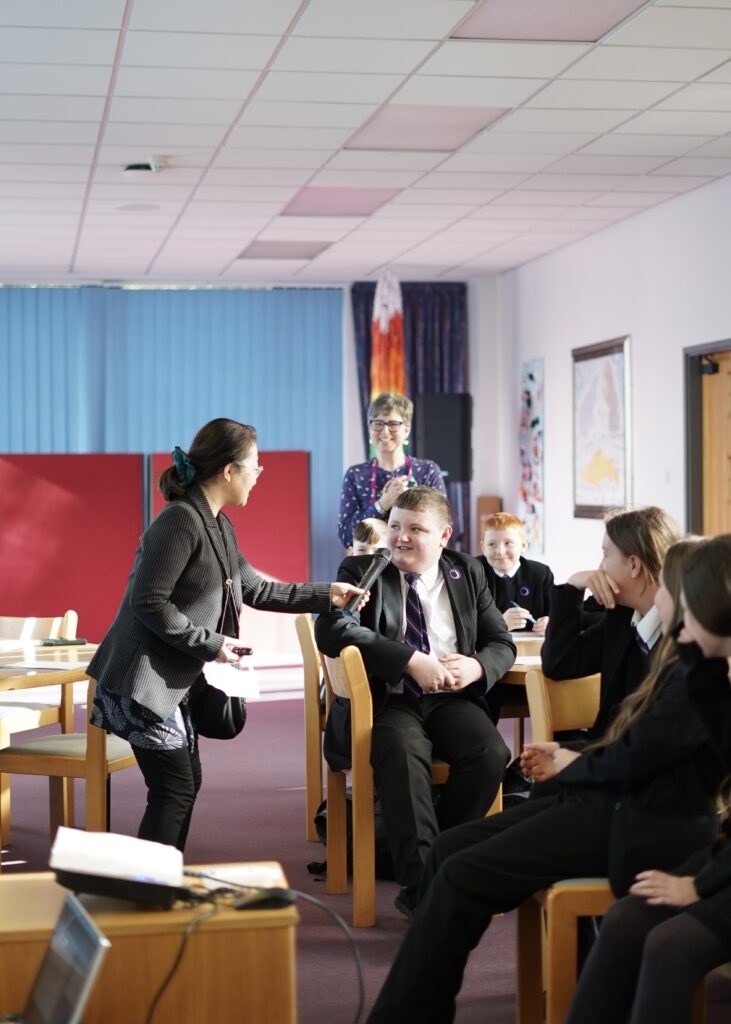


No previous knowledge of the language was required and pupils were enthusiastic about being involved. The event aimed to engage and stimulate interest in language learning, spark curiosity about the Japanese language and culture, embrace cultural diversity and help pupils learn more about Japan in general. It introduced the language through presentations, activities, play, and active engagement.
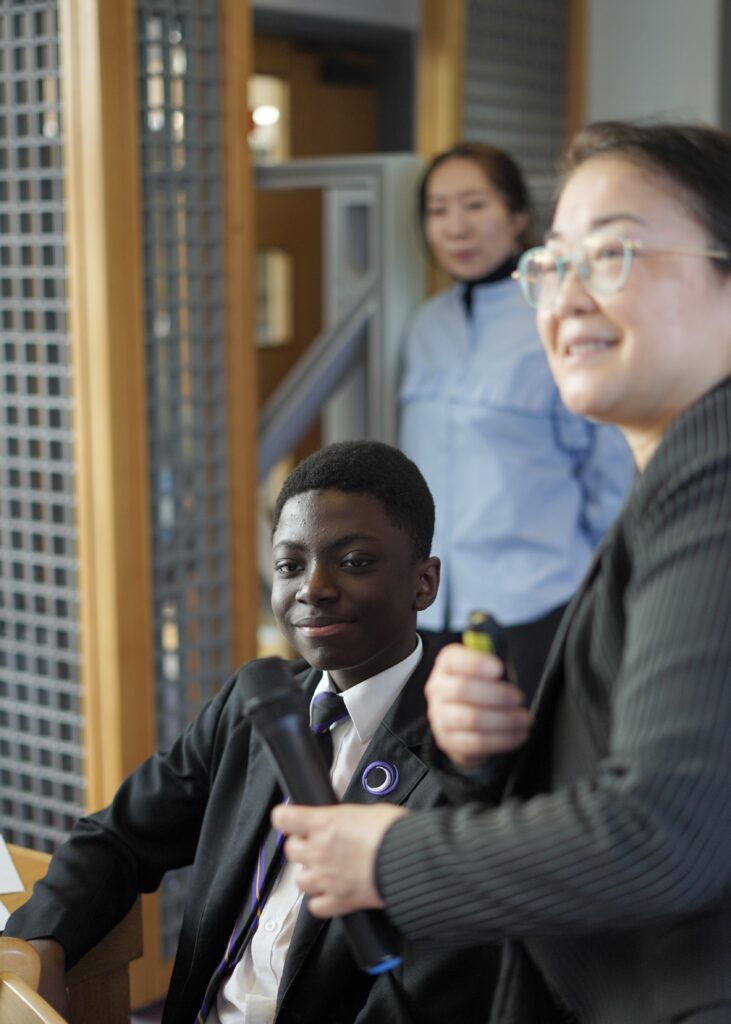
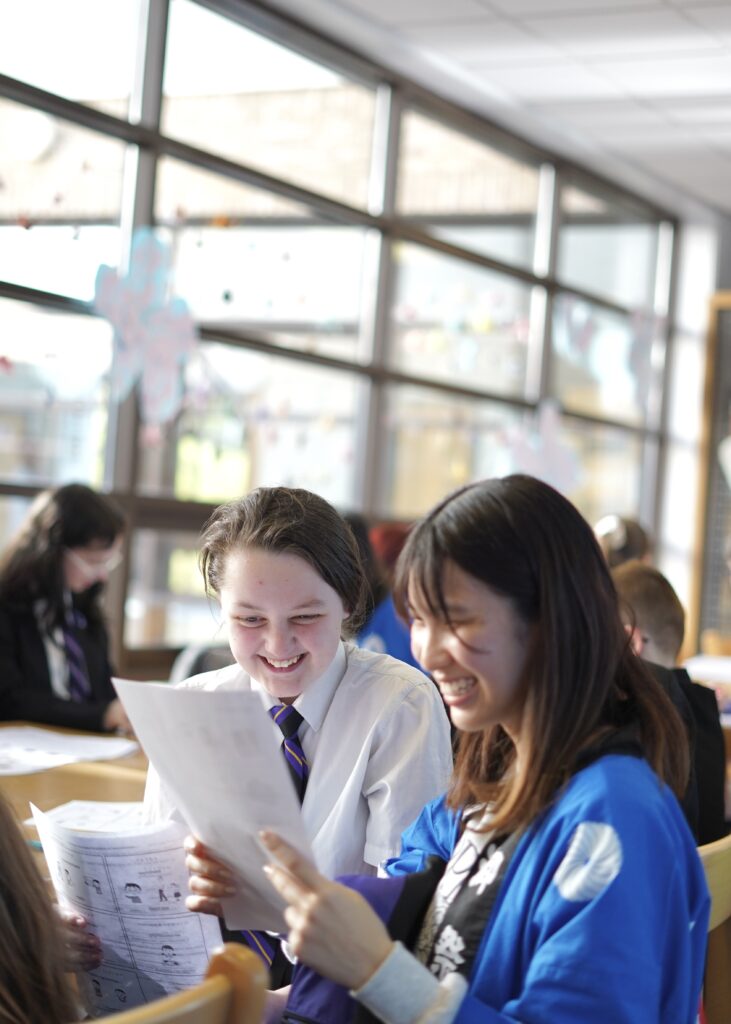
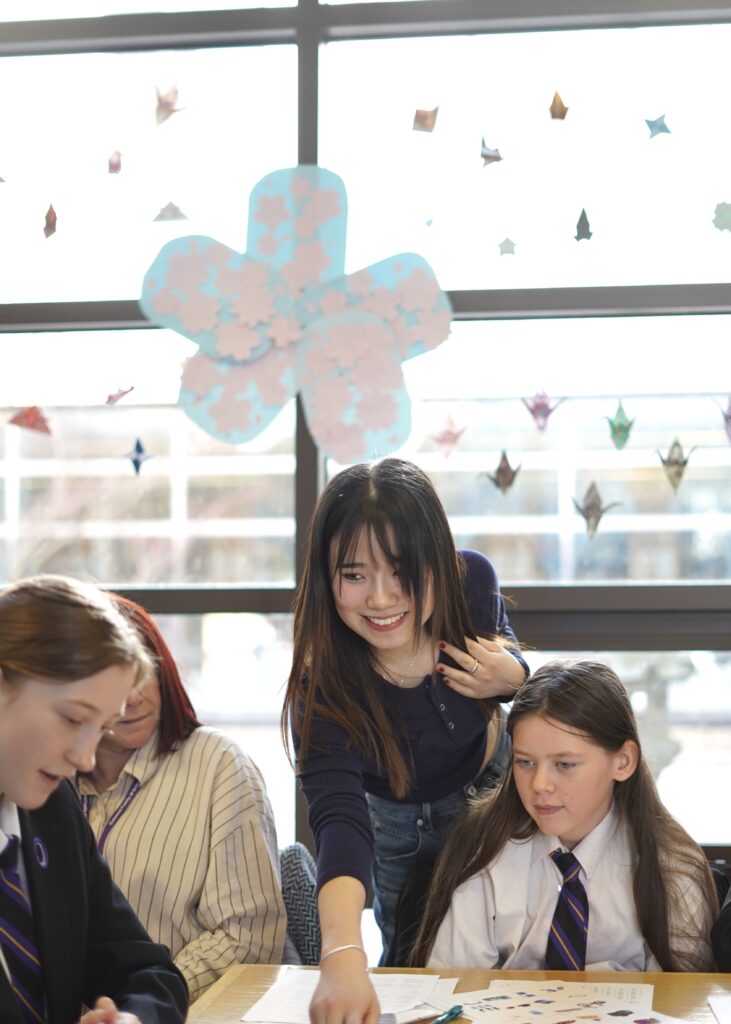
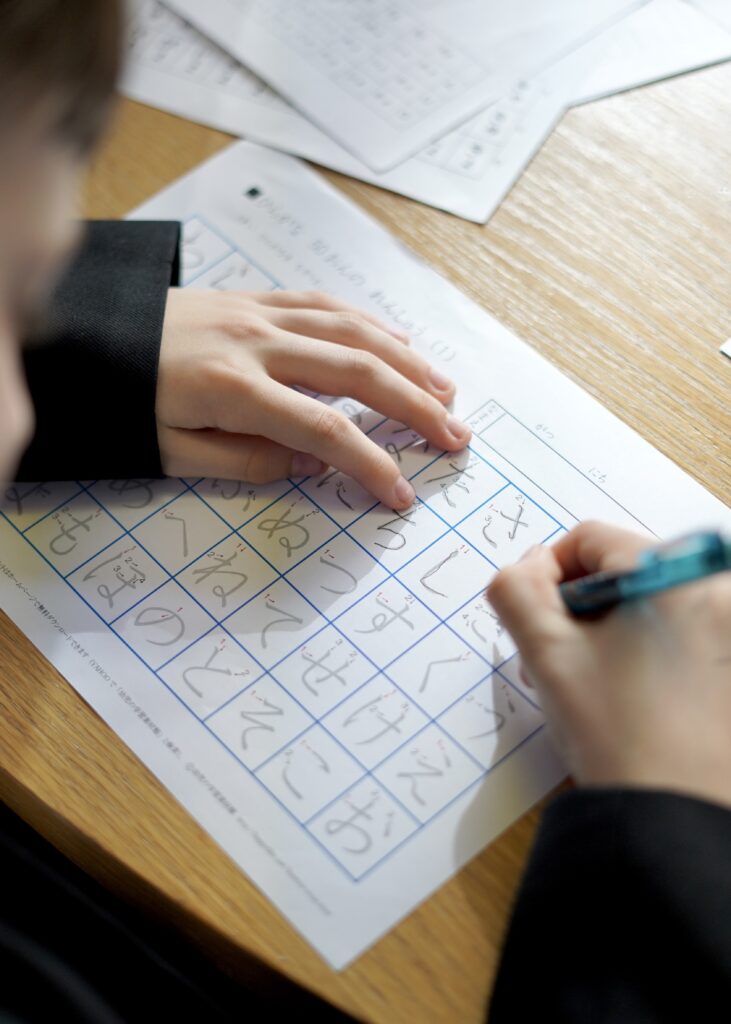
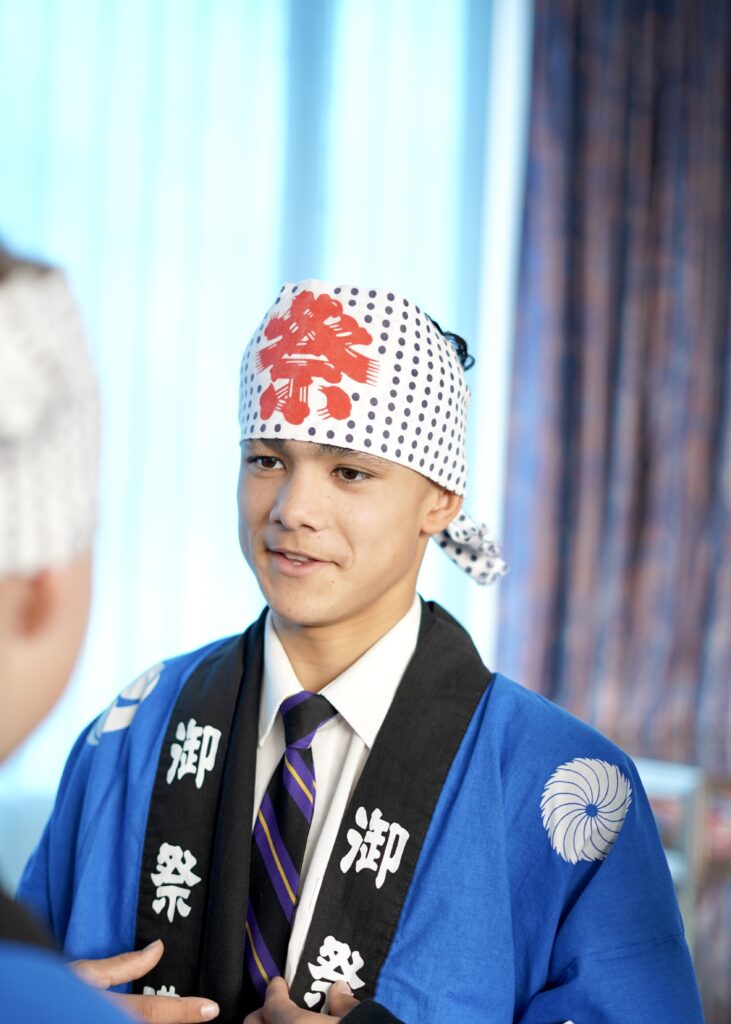
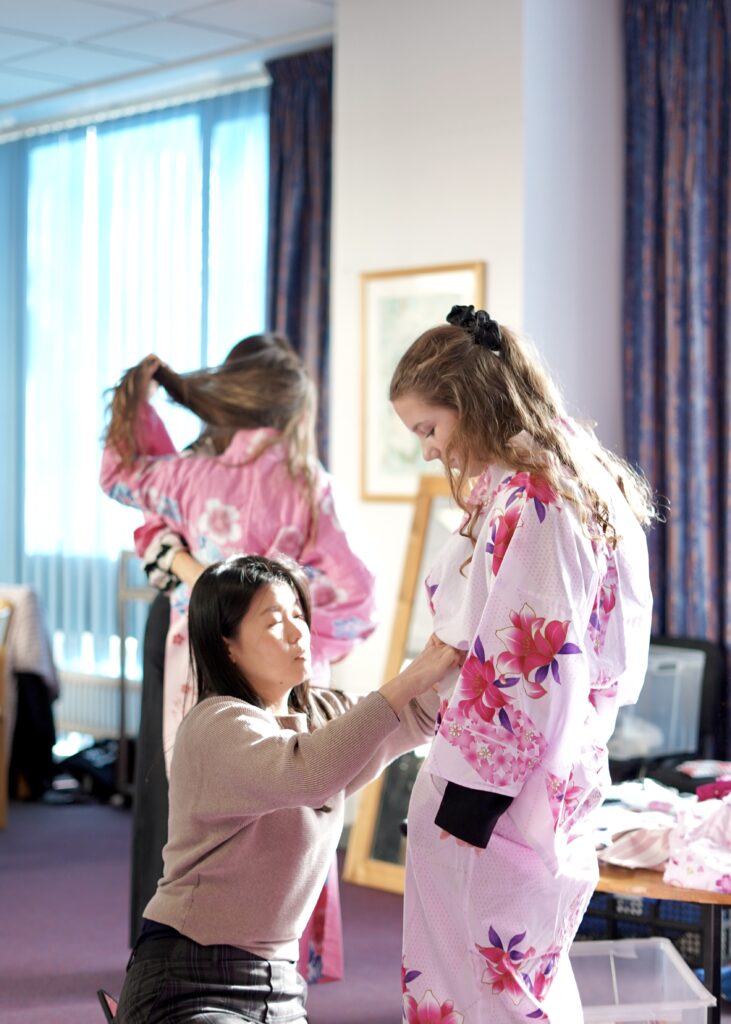
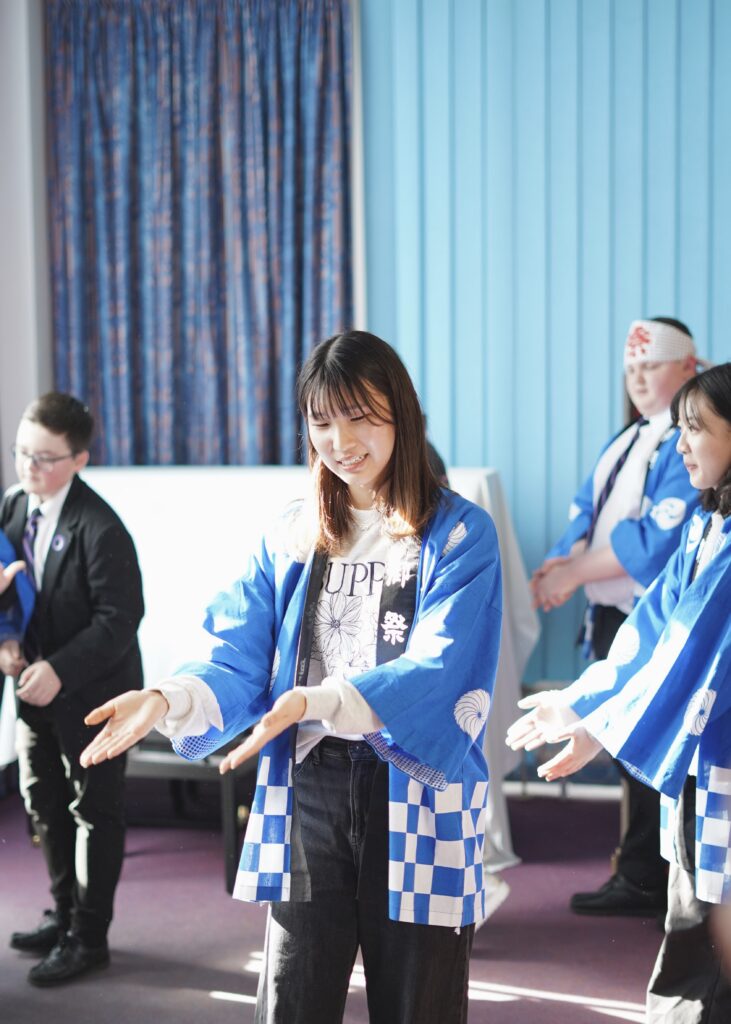
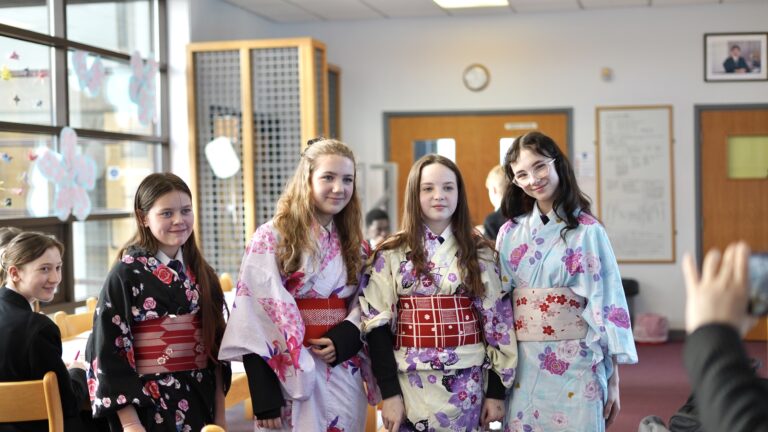
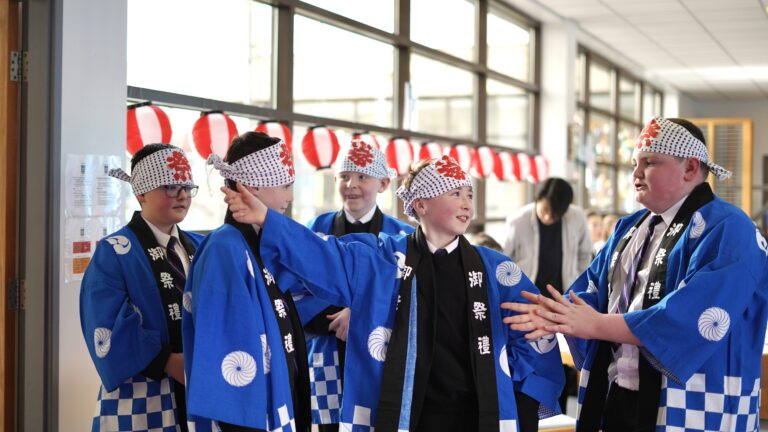
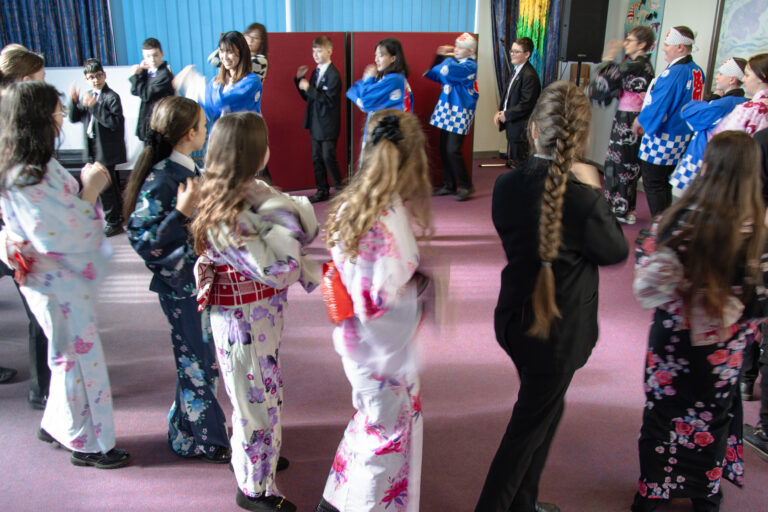
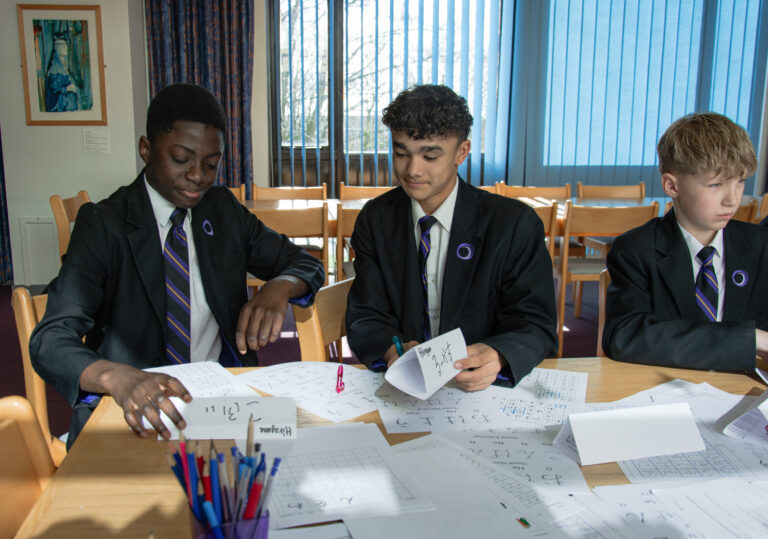
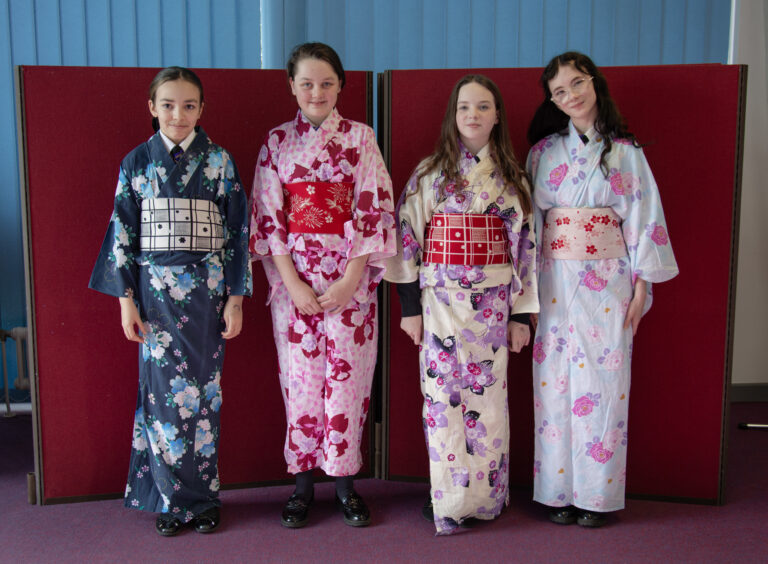
The session began with a presentation of basic introductory phrases and words, followed by an exploration of the Japanese writing system, where pupils could try writing Japanese characters themselves. Pupils also had the opportunity to dress up in traditional clothing, and the session finished with a Japanese dance activity, which everyone was invited to join, including teachers and volunteers. After the two hours were over, it is safe to say that most of those involved left feeling ecstatic and thrilled.

Sharing the Experience
Following the lively activities of the session, several participants, organisers, and teachers shared their thoughts on the event and what the experience meant to them. Among the volunteers helping to run the activities were Durham University students Shuyu and Ayaka. Shuyu studies Business and Management and is currently taking a Japanese language course, which is how she became involved in the event after being encouraged by one of her professors. Ayaka, who studies Business, International Relations, and Sports and Exercise Science, decided to volunteer after hearing about the experience from a friend who had previously taken part.
Both students highlighted the importance of events like this in introducing young learners to new languages and cultures. Ayaka explained that, having lived in different countries, she has developed a strong interest in cultural exchange and wanted to help share her enthusiasm for Japanese culture with the pupils. Shuyu added that the festival provides a rare opportunity for pupils to try writing Japanese characters and experience aspects of the language that they would not normally encounter in school. The volunteers were particularly excited about the writing activities and presentations planned for the day. For the volunteers, the event was not only about teaching language basics but also about meeting pupils who were curious about learning Japanese and creating a fun and engaging environment for cultural exchange.
Teachers accompanying the pupils also got the opportunity to take part in the activities. Nina McKee, Head of Languages at Outwood Academy Normanby, explained that the school was keen to take part to broaden pupils’ experiences beyond the languages typically taught in school. As the school only teaches Spanish and serves a predominantly White British community, she saw the festival as an opportunity to introduce pupils to different cultures and languages in an enjoyable and accessible way.
Nina had also attended the Welcome to China event the day before and particularly appreciated the balance between language learning and practical cultural activities, such as Tai Chi:
Experiences like these help pupils break down cultural barriers, develop communication skills, and broaden pupils’ horizons when travelling abroad. The Festival is such a great opportunity for schools and I hope that even more schools will be able to participate in the future. The impact on pupils is clear – students return from sessions absolutely buzzing with excitement.
For the pupils themselves, the experience was equally memorable. Jacob, one of the participants, said he enjoyed learning a completely new language for the first time. His highlight was practising Japanese characters and discovering that there can be multiple characters representing the same word. When asked to describe the event in one word, he chose “amazing”.
Another pupil, Paton, said she particularly enjoyed learning the traditional Japanese dance. Like Jacob, she had no prior experience with the language and found the activities exciting and different from anything she had done before. She was surprised to learn that Japanese uses three different writing systems and summed up the day in one word: “exciting”.
Reflecting on the event, Kaoru Umezawa, Assistant Professor of Japanese in the School of Modern Languages and Cultures at Durham University, noted that the festival has been running for several years and continues to provide valuable opportunities for pupils to engage with new languages and cultures. She was pleased with the enthusiasm shown by both pupils and teachers during the session, noting that the participants were attentive and engaged throughout the activities. Kaoru emphasised that events like this help encourage openness towards different languages and cultures. She was particularly pleased to hear some pupils express interest in studying Japanese in the future and to see how quickly they became engaged with the activities. Summarising the atmosphere of the day, she described it as “hectic, engaging, lively, happy and saikō (最高)”, meaning “the best”.
About the author
Katarina Trajković is one of five Festival interns from Northumbria and Newcastle Universities producing articles and digital content for the Festival this year. The Festival wants to provide opportunities for students to gain real-world experience to help them in their future careers.
Katarina is a freelance writer and editor with experience in working for a range of different publications, with a focus on art, culture and heritage. She is currently undertaking a Masters degree in Conservation of Fine Art at Northumbria University.